

Learn how to switch back to the old classic WordPress editor and disable Gutenberg based blocks editor enabled by default in the latest WordPress 5.0 ‘Bebo’.
The latest version of WordPress has been released with a highly debated and arguably futuristic editor, which makes it easy to build posts and pages using drag and drop blocks.
Gutenberg might be the “future” of the editing and publishing experience, but the bigger WordPress ecosystem, including themes and plugins, were definitely not ready for this big change.
Pushing the latest version of the software, WordPress 5.0, with Gutenberg enabled by default has left many users frustrated and thus to look for solutions to revert back to the previous WordPress editor.
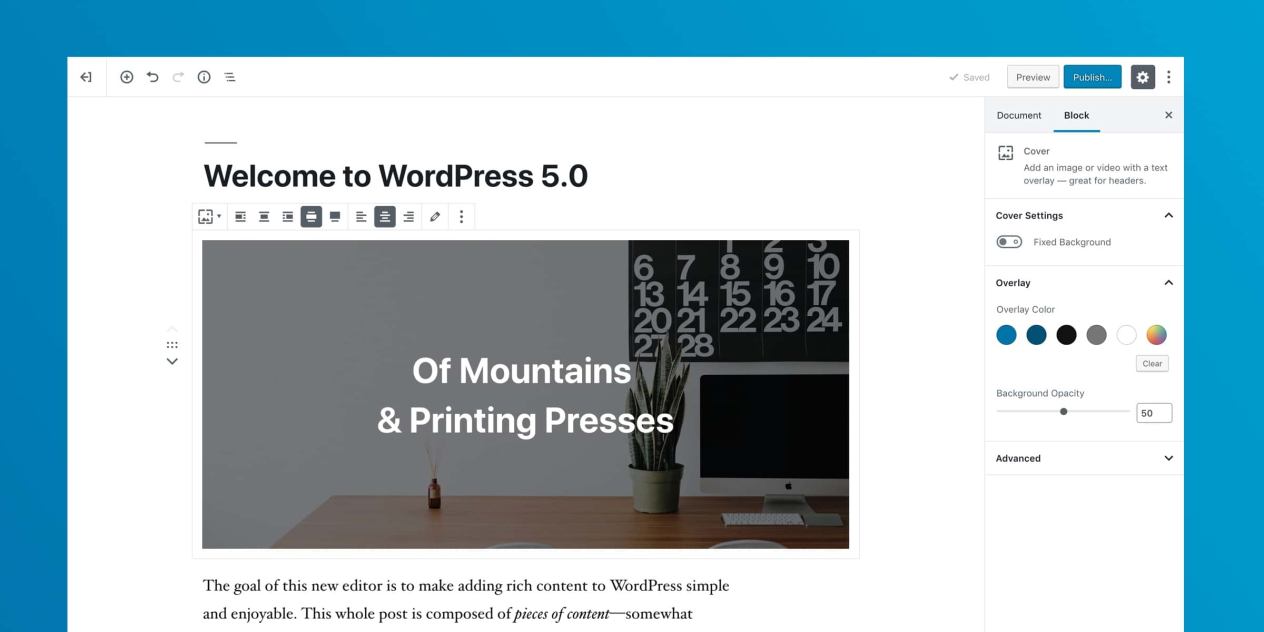
Fortunately, the WordPress team along with the latest update have published a Classic WordPress editor for users who might not be ready for the new editing experience with Gutenberg.
So, if you want to revert back to the previous editor and maintain compliance with your existing themes and plugins that haven’t been updated to support the latest Gutenberg enabled WordPress, the Classic WordPress editor might be your answer.
Classic WordPress Editor Plugin
The classic WordPress editor plugin has been published and maintained by the WordPress Contributors team with plans to be officially supported through 2022.
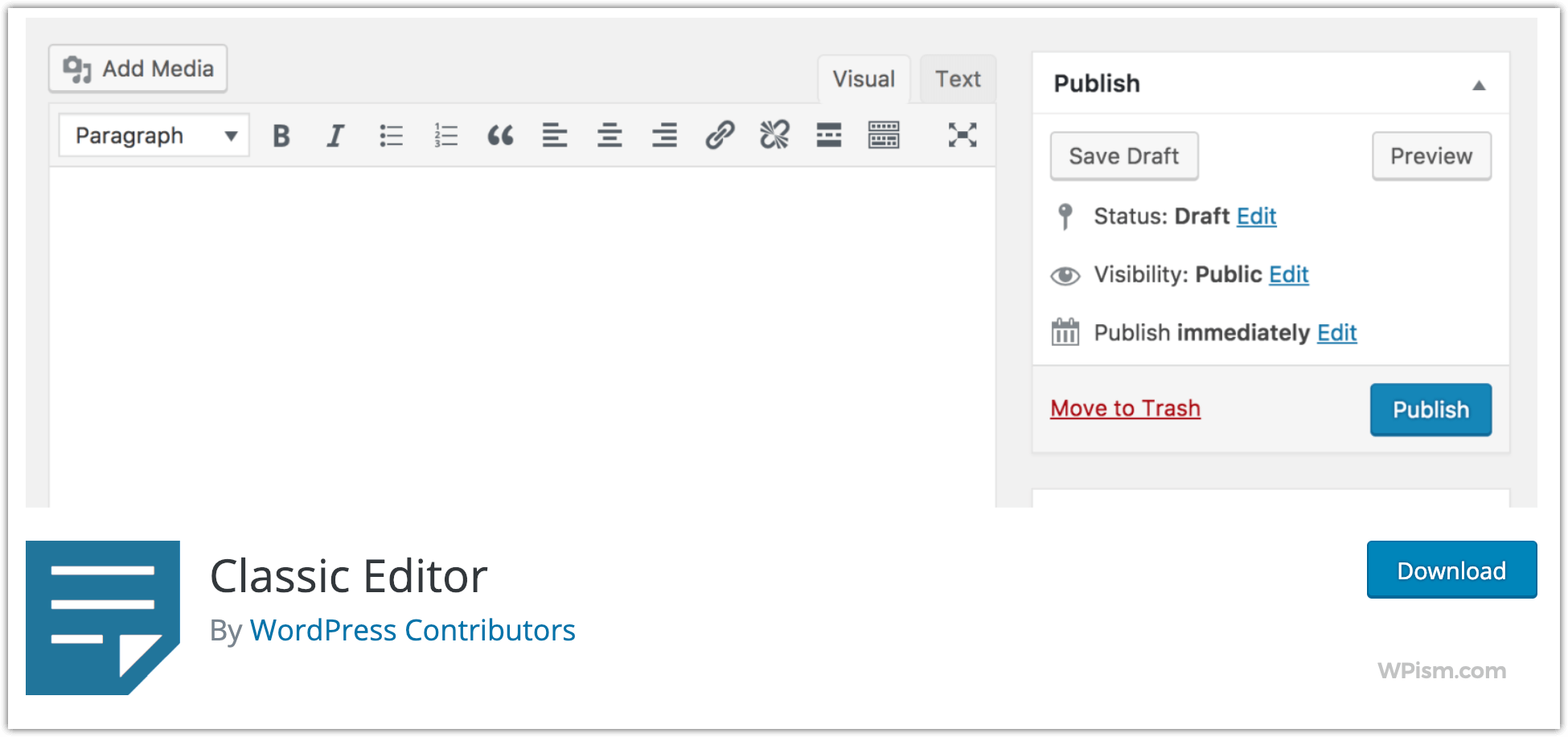
The plugin makes it possible to completely disable Gutenberg and all of its new block editing functionalities.
You will be able to switch back to the old WordPress editor, which allows supporting your existing plugins that extend the editing and add old-style meta boxes to the page.
Steps to switch back to Classic WordPress Editor
Let’s look into how you can revert back to the classic WordPress editing experience.
Follow these basic steps to install the plugin and select the Classic Editor settings that suit your editing needs.
1. Search and Install the Classic WordPress Editor Plugin from the WordPress repository.
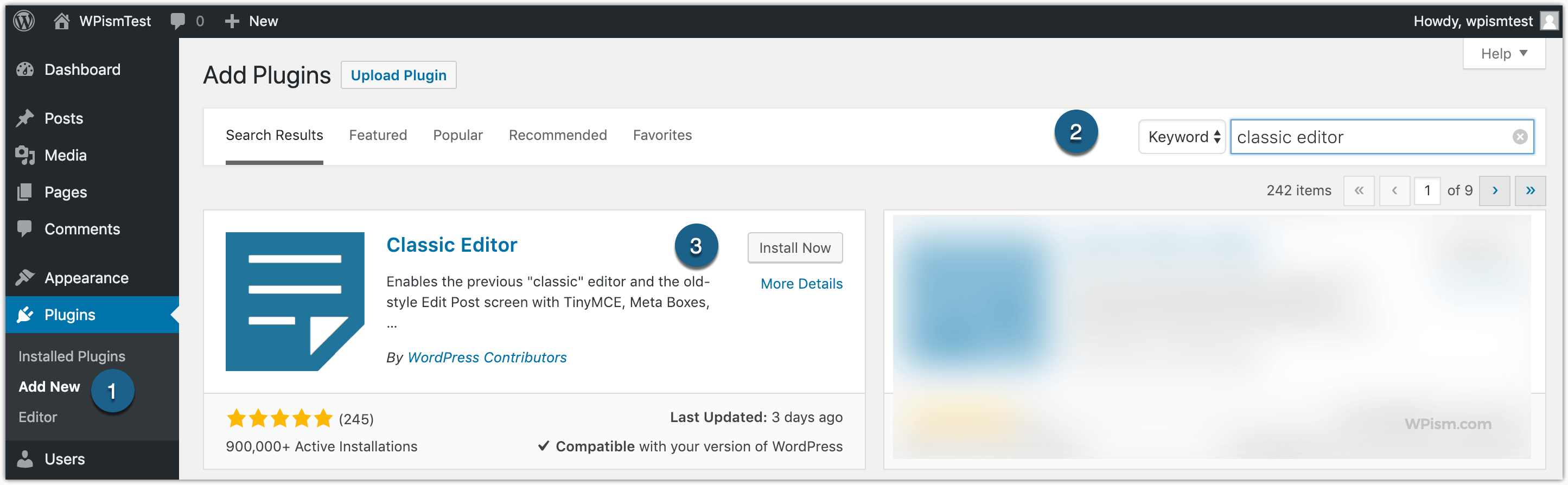
You can also see the Classic Editor plugin listed in the Featured section of the WordPress plugins directory for your convenience.
Activate the plugin, once installed.
2. Go to the Writing Settings of your website. You can click on the Settings link under the installed Classic Editor plugin listing.
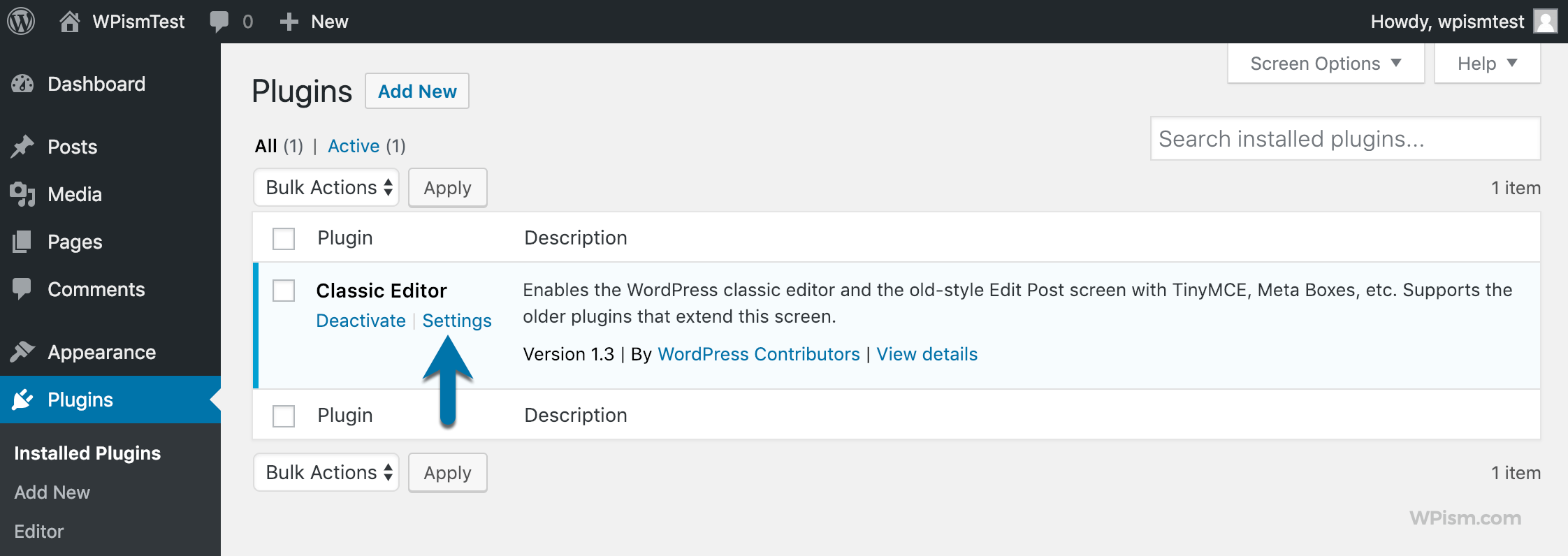
Alternatively, from your WordPress dashboard go to Settings > Writing and you will see the options activated by the plugin.
3. The plugin now allows you to choose the Default editor for all users, where you can choose “Classic Editor” to revert back to the old WordPress editor.
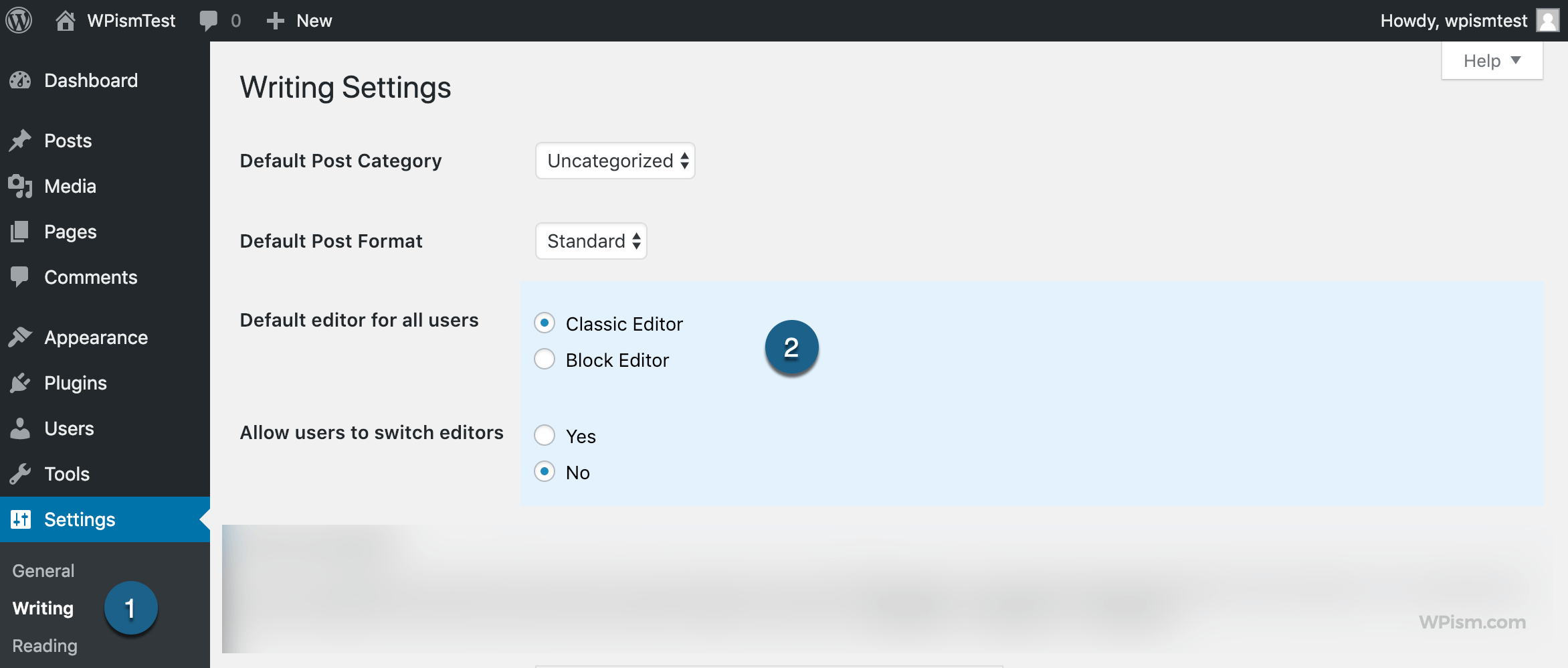
You can always change this setting back to the Block Editor when you’re ready for the Gutenberg experience.
There is also an additional option if you want to let your users on the WordPress website to switch editors. This can be useful for multi-author blogs where some editors might want to work using the Gutenberg blocks editor.
4. That’s all required to get back the classic editing experience on your WordPress blog or website.
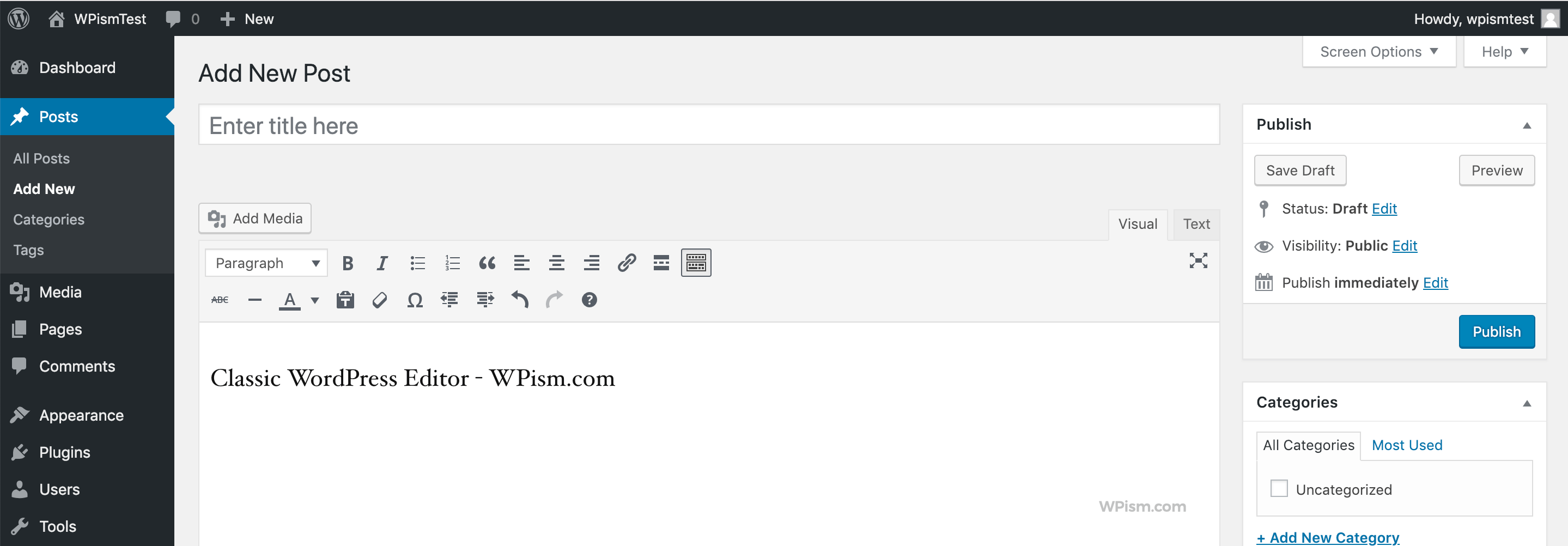
Go to the WordPress editor, and you should see the old and friendly editor of your choice.
Switch to Old Editor on WordPress.com
For those on WordPress.com plans (usually the WordPress.com Business plan, which allows you to install third-party themes and plugins), you will be welcomed to the Gutenberg world – the wonderful world of blocks!
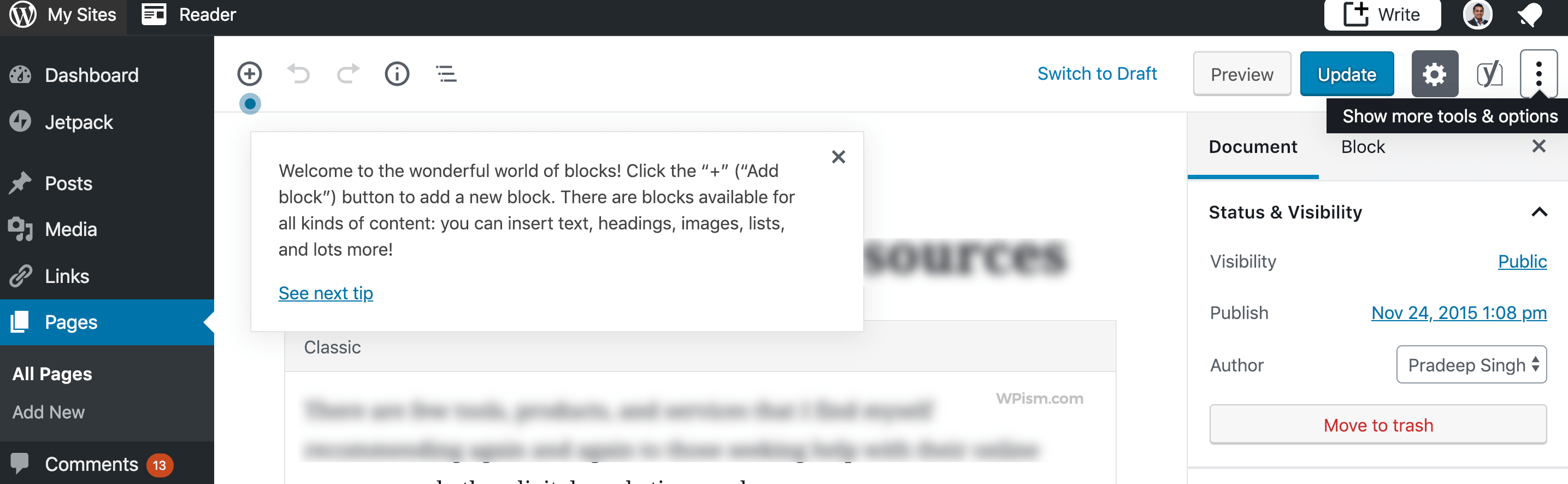
“Welcome to the wonderful world of blocks! Click the “+” (“Add block”) button to add a new block. There are blocks available for all kinds of content: you can insert text, headings, images, lists, and lots more!”
followed with another Gutenberg tip,
“You’ll find more settings for your page and blocks in the sidebar. Click “Settings” to open it.”
Fortunately, you can also switch back to the old WordPress editor on the WordPress.com business plan platform when using /wp-admin.
The classic WordPress editor plugin is already installed on your website by default as it’s a default managed plugin by WordPress.com (similar to other plugins such as JetPack).
All you have to do is activate the Classic Editor Plugin from the list of installed plugins on your website.

An Aside: I reached out to WordPress.com support to ask them to switch back to the old editor on one of my business plans websites and they were kind enough to ask if anything wasn’t working with the new editor.
You might want to reach out to their responsive support team if you need help with the new editor without immediately reverting back to the classic WordPress editor.
For WordPress.com Free Plans
If you are on the free plan of WordPress.com or other plans where you don’t have control over installing plugins, it’s even easier to switch back to the classic editor.
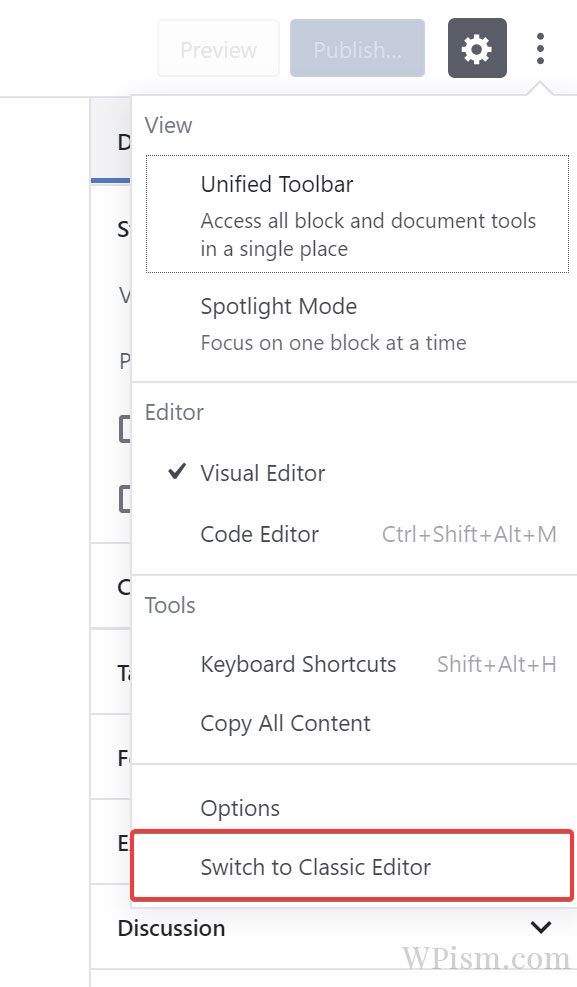
When you are on the editing screen, click on the ‘. . .’ settings icon in the upper right corner of the editing screen and click on Switch to Classic Editor option from the list. (See the screenshot below)
Latest Update:
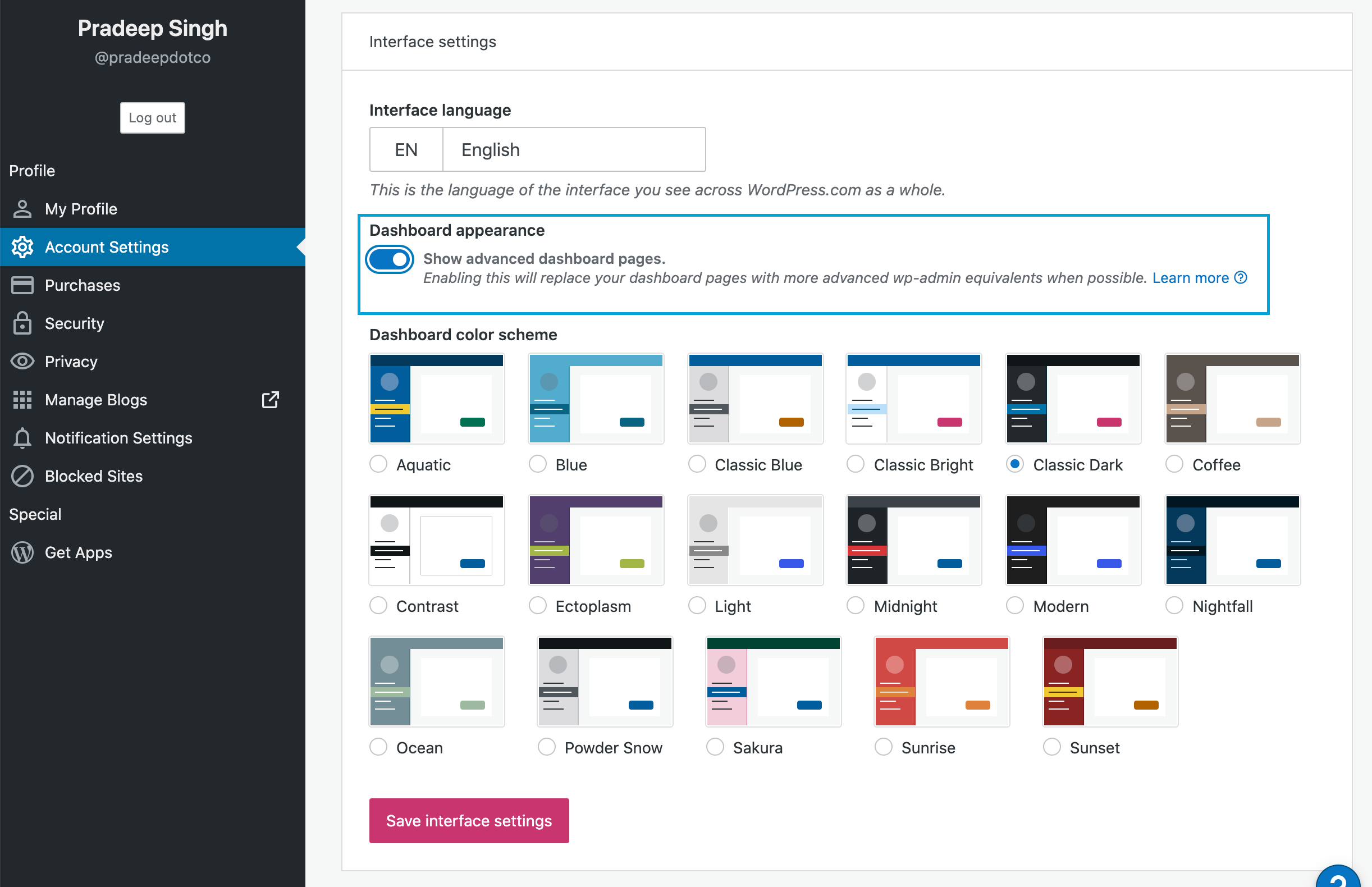
WordPress.com has been making several changes lately making it difficult to switch to the classic editor. If you don’t see the advanced options to switch this is what you might have to do.
- Go to your WordPress.com Account Settings page.
- Enable the Dashboard Appearance Option.
See the screenshot below showing the Dashboard Appearance option which must have been disabled by default.
Should you actually disable Gutenberg and Switchback?
If you are wondering if Gutenberg is actually terrible and you should switch back to the old editing experience, it might be worth giving more thought and time.
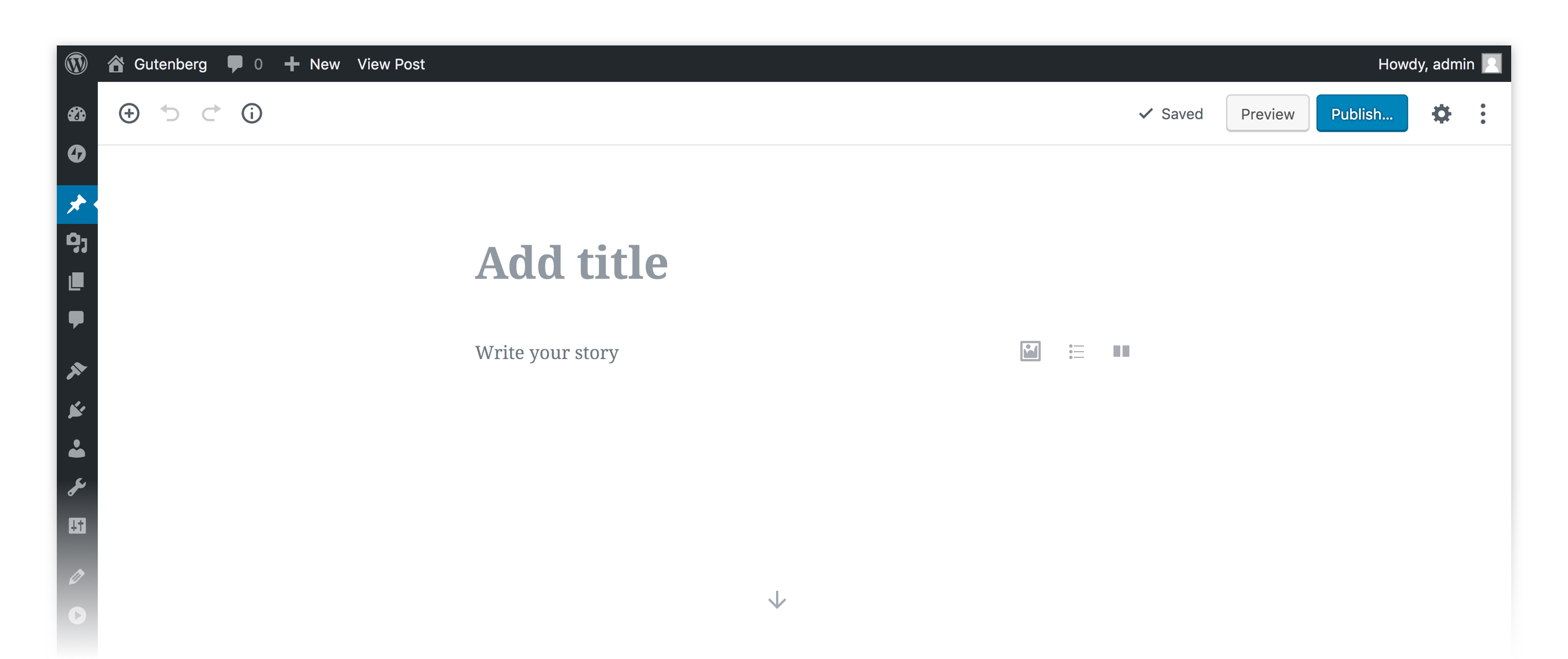
Gutenberg is debuted as the modern editor that aims to revolutionize the publishing experience. You might want to check our separate page on the Gutenberg WordPress editor to learn more about the new experience.
I also recommend watching the State of the Word 2018 delivered by Matt Mullenweg at the recent WordCamp US, which comprehensively covers the discussions around Gutenberg Block Editor.
The Gutenberg editor, however, might be just early in the process. The fact that millions have already reverted back to the old editor installing the classic editor plugin (also leaving over 200 five-star reviews of praise) suggests many users aren’t yet ready for the new Gutenberg experience.
Again, this might not be because users don’t like the block editing experience entirely. For many users, their existing themes and plugins might not have been compatible with the latest blocks based version and thus they might have switched back to maintain the compatibility.
More and more plugins and themes are slowly releasing updates to become compatible with the latest version. As users start receiving these updates, they might actively try the new block-based experience and actually find it more user-friendly and intuitive as the WordPress team has envisioned.
I urge you to at least try the new editing experience and form your own opinion. It will definitely take some time for your favourite plugin or theme to be updated to support the latest Gutenberg experience and it might be a safe bet to keep this plugin active until then.
If you installed the classic editor plugin and didn’t like the new Gutenberg blocks based experience, I would love to hear your opinions in the comments below.
12th August 2020 Update: WordPress version 5.5 has been released with significant updates to the Gutenberg editor. See all the block editor updates and new features in the WordPress 5.5 here.
20th August 2020 Update: WordPress 5.8 update bring even more updates to the blocks based Gutenberg editor along with advanced abilities such as managing widgets with blocks and introducing WordPress Patterns in the core.
26th August 2021 Update: WordPress has decided to support the Classic Editor Plugin through 2022.
